Well-Aging vs. Anti-Aging: What’s the Difference?
For years, the beauty industry has focused on one goal: anti-aging.
We’ve been taught to look for ways to reduce wrinkles, smooth fine lines, brighten pigmentation, and maintain a youthful appearance. But there’s a shift happening in the way we think about aging and skincare.
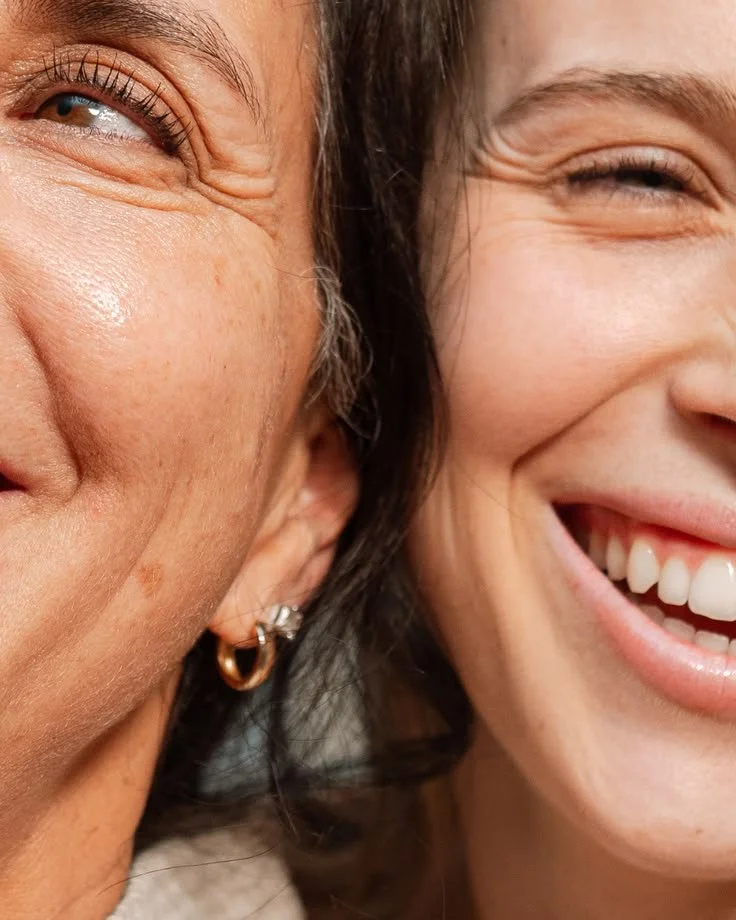
Instead of trying to fight the natural aging process, more people are embracing well-aging: caring for your skin, supporting its health, and helping it look its best through every stage of life.
So, what’s the difference?
Anti-Aging: Focusing on the Signs of Aging
Anti-aging skincare typically focuses on minimizing visible changes that can happen as we get older, including:
Fine lines and wrinkles
Loss of firmness
Uneven skin tone
Pigmentation
Changes in skin texture
Dullness and dryness
The goal is often simple:
“How can I look younger?”
There’s absolutely nothing wrong with wanting to improve these concerns. Professional treatments and a consistent skincare routine can help address many of the visible changes that come with time.
But the term anti-aging can sometimes make aging feel like something we need to fight.
Well-Aging: A Different Way to Look at Your Skin
Well-aging shifts the focus from fighting age to caring for your skin as it changes.
Instead of asking, “How can I stop my skin from aging?” the question becomes:
“What does my skin need at this stage of my life?”
That may mean supporting collagen, improving skin texture, addressing pigmentation, maintaining hydration, or simply keeping your skin healthy and radiant.
At Silk, we believe skincare should be personalized to your skin’s needs rather than based solely on your age.
Your skin is constantly changing. Your skincare and treatments can change with it.
Well-Aging Doesn’t Mean Doing Nothing
Well-aging isn’t about ignoring wrinkles or avoiding aesthetic treatments.
If you want to soften the appearance of fine lines, improve uneven pigmentation, support collagen, or refresh your complexion, those are completely valid skincare goals.
The difference is in the intention.
Instead of trying to erase every sign that you’ve lived and aged, well-aging is about supporting your skin so it looks healthy, refreshed, and cared for.
Treatments such as laser skin treatments, microneedling, collagen-focused treatments, light therapy, and other personalized skin services can be part of that approach, depending on your individual skin concerns and goals.
Prevention Is Part of Well-Aging
Well-aging also means starting with good skin habits before concerns become more noticeable.
Daily sun protection, consistent skincare, hydration, healthy lifestyle habits, and professional skin treatments when appropriate can all play a role in maintaining your skin over time.
You don’t have to wait until you notice significant changes before you start caring for your skin.
Well-aging is about being proactive, not reactive.
Your Skin Doesn’t Need to Look Younger. It Needs to Look Healthy.
One of the biggest differences between anti-aging and well-aging is the mindset behind them.
Anti-aging often asks:
“How can I look younger?”
Well-aging asks:
“How can I help my skin look and feel its best at every age?”
And those two questions can lead to very different approaches.
Maybe your goal is brighter, more even-looking skin. Maybe you want to improve texture or support collagen. Maybe you simply want to maintain the healthy glow you already have.
There is no single definition of what aging beautifully looks like.
At Silk, It Starts With Your Skin
At Silk Aesthetic Skin Clinic, we believe your treatments should reflect your skin, your concerns, and your goals.
Well-aging isn’t about chasing a younger version of yourself.
It’s about taking care of the skin you have today while supporting it for the years ahead.
You don’t have to look younger to look your best.
You just need skin that looks healthy, cared for, and confidently yours.
The Takeaway
Anti-aging focuses on fighting the signs of aging. Well-aging focuses on supporting your skin through aging.
Maybe the goal isn’t to turn back the clock.
Maybe it’s to take better care of your skin as the years go by.